Blue Environmental Badge in Germany
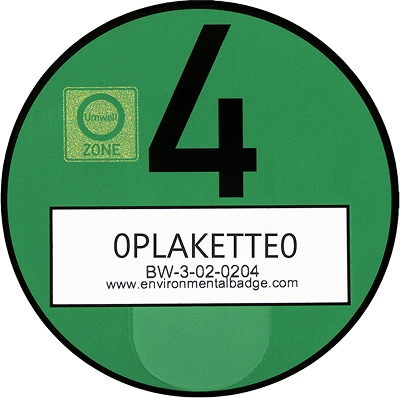
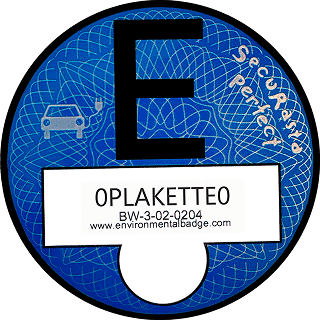
The blue badge scheme aimed to reduce the concentration of nitrogen oxides (NOx) and improve the air quality in cities by restricting entry to older diesel cars.
The introduction of the blue environmental badge was rejected by the German federal government, so it never came into effect.
Who Would Have Received the Blue Badge?
Petrol vehicles that met the green badge requirements would have been entitled to the blue badge. The problem would have arisen with diesel cars, for which stricter rules would have applied. It was assumed that only diesel cars with a minimum level of air pollution that met the Euro 6 emissions standard would have received the sticker. It would therefore have included newer diesel cars with a production date from September 2015. At the end, the blue environmental badge was never introduced.
Blue Low Emission Zones
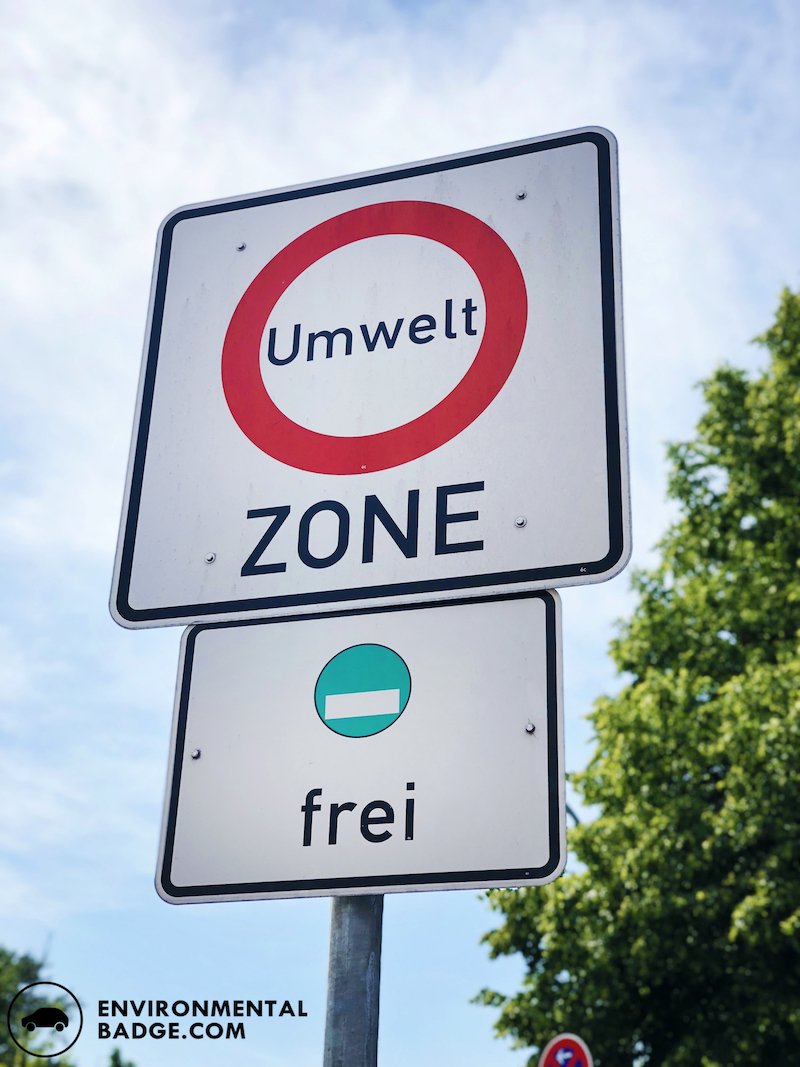
Although a nationwide “blue badge” system was never established, local “blue” low emission zones were introduced only in Munich, Stuttgart and Darmstadt. In Berlin and Hamburg, similar local measures were later abolished.
It is intended to concern cities and municipalities that regularly exceed nitrogen oxide limits. These low emission zones have either permanent or temporary validity, for example, in cases of extremely high concentrations of pollutants or during selected time periods.
Such strict conditions would complicate transport for many German citizens who own diesel vehicles; the expansion never took place nationwide.

 Order E-Sticker
 Български
  Čeština
  Dansk
Dansk  Deutsch
  Ελληνικά
  Eesti
Eesti  Español
  Français
  Hrvatski
  Italiano
  Latviešu
  Lietuvių
  Magyar
  Nederlands
  Norsk bokmål
  Polski
  Português
  Română
  Slovenčina
  Slovenščina
  Suomi
Suomi  Svenska